
DNS
Dynamic Neuromuscular Stabilization
Dynamic Neuromuscular Stabilization (DNS) is a rehabilitation approach that helps patients improve their movement and stability by focusing on the body’s natural developmental patterns. Here’s a simplified explanation you can use for patient education:
What is DNS?
DNS is a therapy that looks at how babies learn to move and uses these principles to help adults regain proper movement patterns. It focuses on improving the way your brain and muscles work together to support your body and move efficiently.
Why is DNS Important?
When you have pain or an injury, your body might adapt by moving differently, which can lead to more pain or other problems over time. DNS helps retrain your body to move the way it was naturally designed to, reducing pain and preventing further issues.
How Does DNS Work?
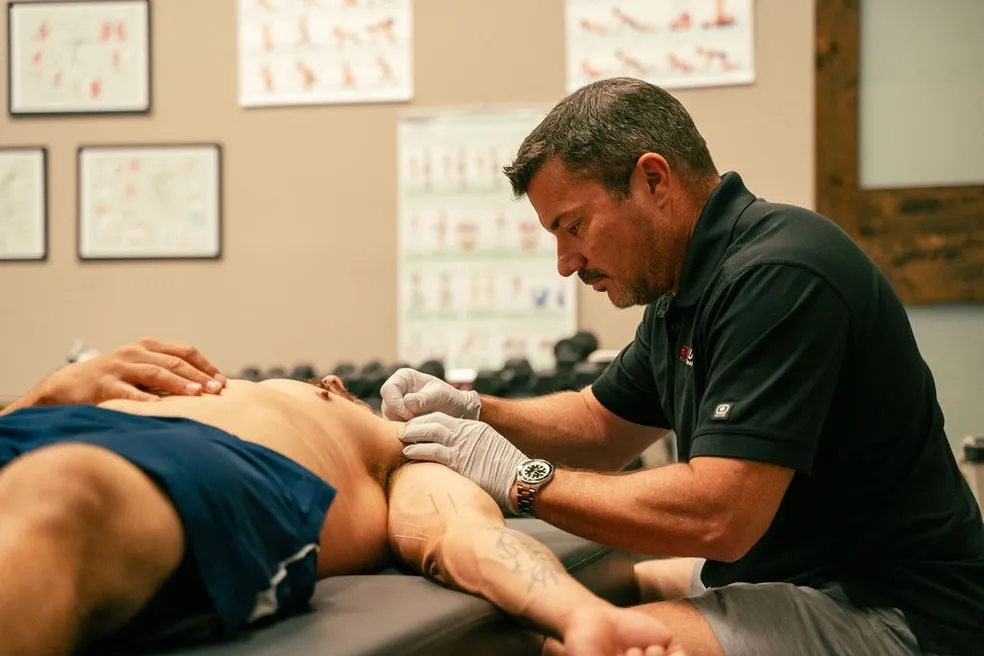
- Assessment: Your therapist will assess your movement patterns to identify areas that need improvement.
- Exercises: You’ll perform specific exercises that mimic the developmental stages of movement (like a baby learning to lift its head, roll over, crawl, etc.).
- Breathing: Proper breathing techniques are emphasized to support core stability.
- Repetition: Repeating these exercises helps reprogram your brain and muscles to improve coordination and strength.
Benefits of DNS
- Improved Posture: Helps you maintain better posture throughout the day.
- Pain Reduction: Can reduce pain by correcting faulty movement patterns.
- Enhanced Performance: Improves athletic performance by optimizing how your body moves.
- Injury Prevention: Reduces the risk of future injuries by stabilizing your movements.



Tired of treatments that never fix the real problem?